
Old Cape Recycling Menu

Top Soil & Fill:

Top Soil & Fill
Topsoil vs. Fill: What’s the Difference & When to Use Each

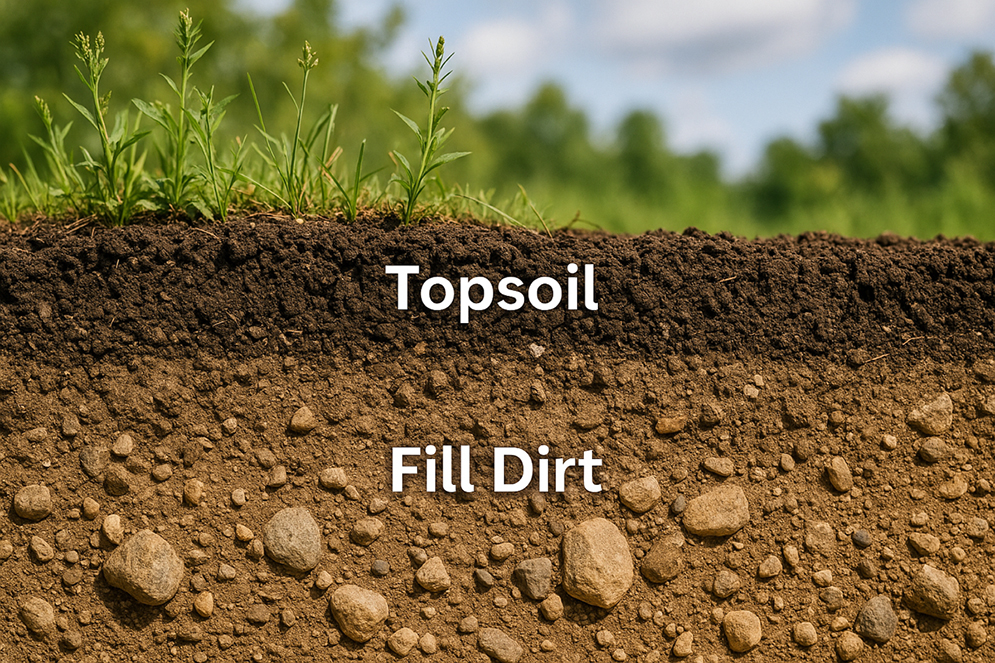
Top Soil is the uppermost layer of soil, rich in organic matter, nutrients, and microbial life. It’s what plants and grass love to grow in.


Fill material is used to level ground, raise elevation, or create a stable base. It’s not meant for planting but is essential for structural prep.


How to use Topsoil and Fill together - use fill to shape the land when leveling, raising, or stabilizing. Top it with topsoil (4–6 inches) to support planting and turf growth. .

Top Soil is the uppermost layer of soil, typically the first 2 to 8 inches, and it’s where most plant life begins and thrives. It’s rich in organic matter, nutrients, and microorganisms—essential ingredients for healthy gardens, lawns, and landscapes.

The following links Offer Information about each of our products and their application:

Mulch
Topsoil and Fill
Crushed Concrete/ DGA (NJDOT Spec)
Commercial DGA (Brick/Concrete Mix)
RAP (Recycled Asphalt Mix)
Asphalt Millings
Concrete & Mason Sand
3/4" Stone
Stone screenings
3/8" Stone & Pea Gravel
River Rock

 
Feature Description
Depth Typically 2–8 inches deep
Composition Sand, silt, clay + organic matter
Uses Gardens, lawns, raised beds, landscaping
Benefits Fertility, moisture retention, root support

What Makes Topsoil Special
Nutrient-Rich: Contains decomposed plant and animal matter that feeds growing plants.
Structure & Texture:  A mix of sand, silt, and clay that supports root growth and drainage.
Moisture-Holding: Retains water, helping roots stay hydrated.
Microbial Life: Home to earthworms, fungi, and bacteria that improve soil health.
Uses Benefits
Garden Beds Boosts fertility and improves plant growth
Lawns Helps repair bare patches and improve drainage
Raised Beds Provides a solid base for vegetables and flowers
Landscaping Projects Levels ground and supports new plantings

Fill material Is a broad term for any substance used to raise ground elevation, level uneven terrain, or create a stable base for construction and landscaping. Fill is commonly used for driveways, patios, garden beds, and site prep.
 

Type Description Best use Cases
Fill Dirt Rocky, sandy, low-organic soil Leveling, berms, backfilling
Sand Fill Coarse or fine sand Drainage layers, under pavers
Crushed Concrete Recycled concrete chunks Driveways, erosion control, base layers
Recycled Asphalt Ground-up old asphalt Driveways, parking pads, paths
Stone Screenings Fine crushed stone particles Paver base, walkways, joint filler
3/4" Stone Loose, angular stones Road base, drainage, structural support

Why Use Fill? Benefits
Leveling & Grading Smooth out dips, slopes, or uneven terrain.
Drainage Improvement Prevent pooling and runoff issues.
Foundation Support Create a compact base for patios, sheds, or driveways
Erosion Control: Stabilize slopes and shorelines.
Landscaping Features: Build up raised beds, berms, or decorative mounds.


Old Cape Recycling serves contractors and homeowners in Atlantic County,
Cape May County and the greater South Jersey region.
 Our goal is to supply superior service and quality recycled products at a reasonable cost.
NJDEP Approved Class B Recycling Facility